
Sedation Dentistry in Rancho Mirage, CA
Dental anxiety should not prevent you from receiving the care your smile needs.
Country Club Dentistry offers oral conscious sedation and IV sedation for qualifying patients who need additional support feeling calm and comfortable during dental treatment.
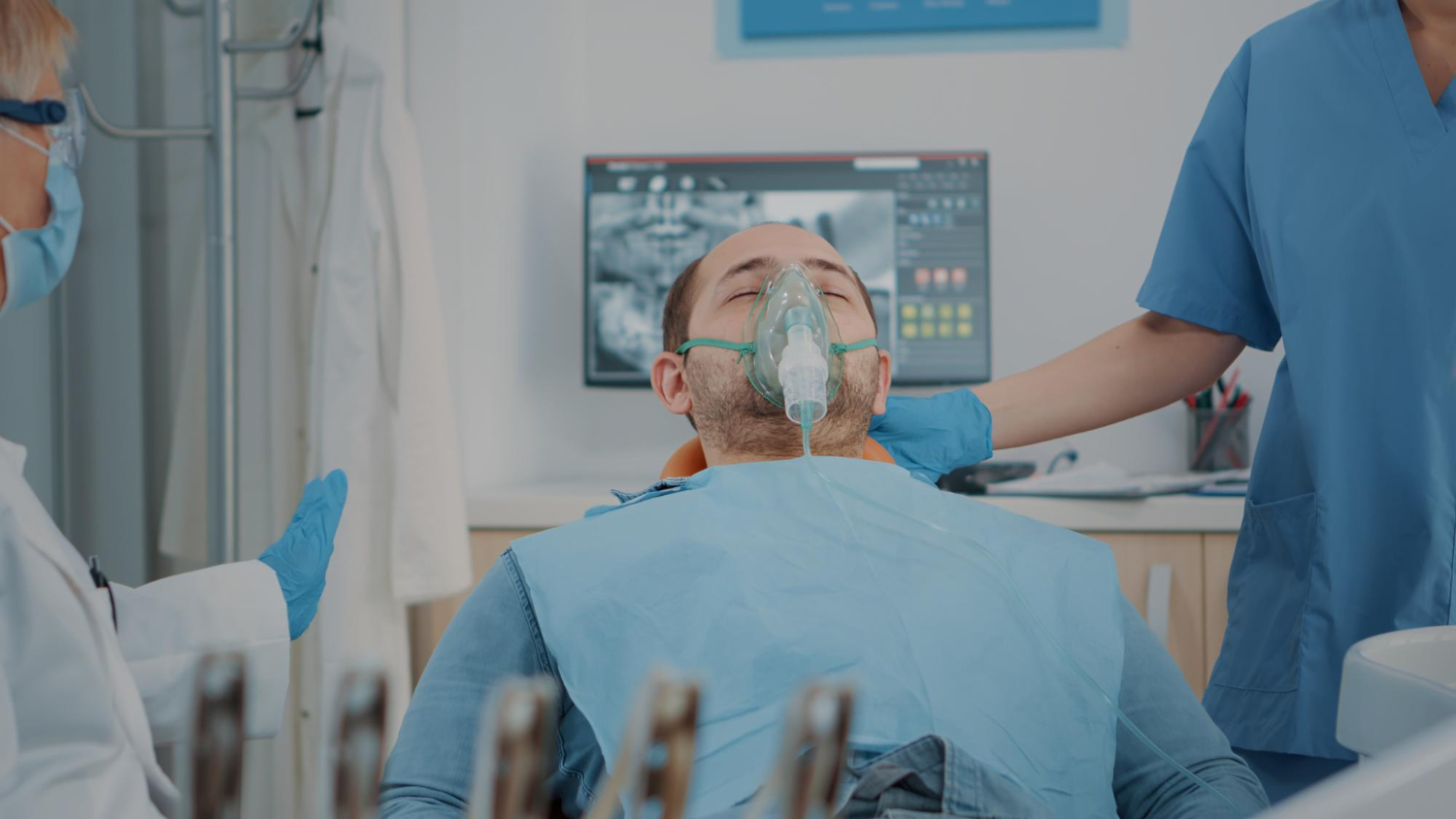
Additional support for a calmer dental experience.
Sedation dentistry uses carefully selected medication to reduce anxiety and help qualifying patients remain more relaxed during dental treatment.
The appropriate option depends on your medical history, medications, allergies, anxiety level, planned procedure, previous dental experiences, and the level of support you may need.
Sedation is separate from local anesthesia. Local anesthesia numbs the treatment area, while sedation helps address anxiety, awareness, and comfort during the appointment.
Sedation can help when receiving dental care feels overwhelming.
Tell Dr. Strober about anything that has made dental appointments difficult in the past.
Fear of dental treatment
Sedation may help patients with mild, moderate, or more significant anxiety receive necessary dental care.
A history of difficult visits
Negative or traumatic dental experiences can make future appointments feel difficult even when the current procedure is different.
Difficulty tolerating dental treatment
A pronounced gag reflex may interfere with examinations, imaging, impressions, or restorative procedures.
Difficulty remaining comfortable
Patients receiving lengthy or complex treatment may benefit from additional support remaining relaxed throughout the appointment.
Difficulty sitting still
Certain physical, neurological, or anxiety-related concerns can make it difficult to remain still for an extended procedure.
Previous difficulty becoming numb
Sedation does not replace local anesthesia, but reducing anxiety may support a more manageable experience. Tell Dr. Strober about any previous difficulty achieving adequate numbness.
Safety begins before the medication is administered.
Sedation is not appropriate for every patient or every procedure. Careful screening helps determine whether treatment can proceed safely and which level of sedation may be suitable.
Review your current health
Tell the office about heart, lung, liver, kidney, neurological, bleeding, pregnancy, or other relevant health concerns.
Disclose everything you take
Provide a complete list of prescriptions, over-the-counter medications, supplements, recreational substances, and known allergies.
Discuss sleep apnea and airway concerns
Tell Dr. Strober if you have sleep apnea, use a CPAP device, snore heavily, or have experienced breathing problems during previous sedation or anesthesia.
Follow fasting and medication directions
Eating, drinking, and medication instructions depend on the selected sedation method. Follow the instructions provided specifically for your appointment.
Observe your response throughout care
Appropriate monitoring, documentation, oxygen availability, and emergency preparation are important components of sedation care.
Clear instructions before, during, and after your appointment.
Your exact instructions will depend on the medication selected, procedure, health history, appointment time, and anticipated sedation level.
Discuss your concerns
Explain what makes dental treatment difficult, what you have experienced previously, and what would help you feel supported.
Review your health information
Dr. Strober evaluates your medical history, medications, allergies, airway considerations, procedure, and sedation needs.
Follow written instructions
Follow all directions regarding food, liquids, medications, clothing, transportation, and the adult accompanying you.
Receive sedation and local anesthesia
Sedation supports relaxation while local anesthesia is used to numb the treatment area when required for the procedure.
Leave with a responsible adult
Follow all discharge instructions. Do not drive, work, make important decisions, operate equipment, or drink alcohol until the restriction period provided by the office has passed.
Treatment designed around both your dental needs and your comfort.
Dr. Rod Strober has practiced dentistry since 1993 and understands that anxiety, physical discomfort, and previous dental experiences can affect a patient’s ability to receive treatment.
Sedation is considered as part of the complete treatment plan—not as a one-size-fits-all solution. The procedure, appointment length, medical history, anxiety level, and appropriate monitoring requirements are reviewed together.
Questions before choosing sedation?
Your consultation will include instructions and recommendations based on your specific health and treatment plan.
01 What is sedation dentistry?
Sedation dentistry uses medication to help qualifying patients feel calmer and more relaxed during dental treatment. It may be used alongside local anesthesia, which numbs the treatment area.
02 Will I be completely asleep?
Oral conscious sedation and IV sedation are not automatically the same as general anesthesia. Depending on the level of sedation, you may be drowsy and remember little while remaining responsive to verbal or physical guidance.
03 Does sedation replace local anesthesia?
No. Sedation primarily addresses anxiety, awareness, and relaxation. Local anesthesia is generally still used when the dental procedure requires the treatment area to be numb.
04 What is the difference between oral and IV sedation?
Oral sedation is taken by mouth and has a less adjustable onset and duration once the medication is taken. IV sedation is delivered through a vein and can be adjusted during treatment according to the patient’s response and clinical plan.
05 Is sedation dentistry safe?
Sedation has risks and is not appropriate for everyone. Safety depends on appropriate patient selection, health screening, medication dosing, monitoring, emergency preparation, and following all preoperative and postoperative instructions.
06 Can I drive myself home after sedation?
Patients receiving oral or IV sedation should expect to need a responsible adult for transportation and postoperative supervision. Follow the exact instructions provided for your appointment.
07 How should I prepare for my appointment?
Complete your health information accurately, provide a current medication list, arrange transportation, and follow all instructions regarding food, liquids, medication use, clothing, and arrival time.
Suite A & B
Rancho Mirage, CA 92270
9:00 AM–5:00 PM
Your dental care should feel manageable and supported.
Schedule a consultation with Dr. Rod Strober to discuss your anxiety, health history, treatment needs, and whether sedation dentistry may be appropriate for your visit.